Only About 50 Out of More Than 1,400 Communities in Ukraine Have Approved Their Own Municipal Energy Plans (MEPs)
However, most communities recognize the importance of energy planning but face a lack of resources and capacity to implement it.
These are the findings of the study “Development of Municipal Energy Plans – the View of Communities,” presented by the State Agency on Energy Efficiency’s partner, the DiXi Group analytical center.
The results of the study show that most communities understand how important it is to plan for energy development. However, local authorities often lack funding, qualified specialists, and technical resources to develop and implement MEPs.
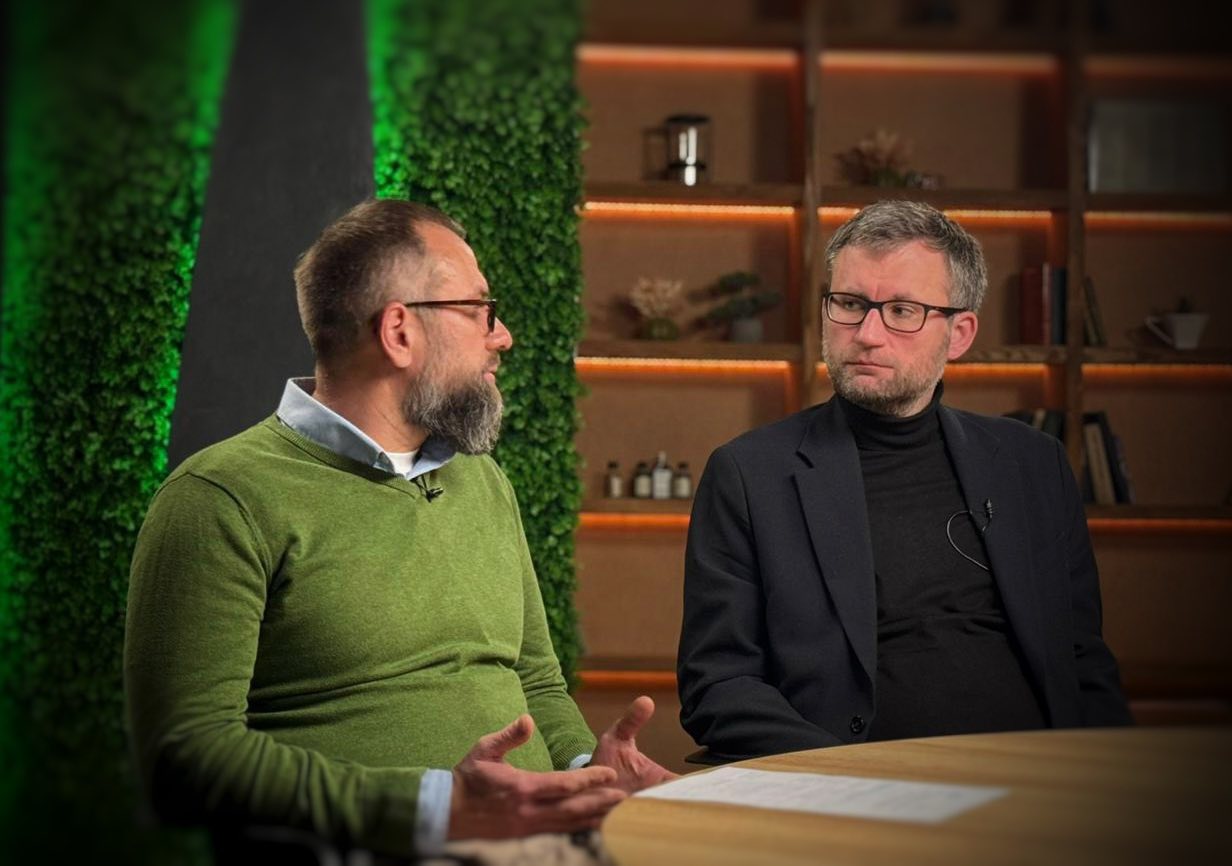
Andrii Shyian, Head of the Energy Efficiency Development Department at the State Agency on Energy Efficiency, noted during the presentation of the study results:
“The State Agency on Energy Efficiency constantly provides consultative, methodological, and educational support to communities in developing MEPs. Currently, standard support tools are available — written and telephone consultations and explanations. Together with our partners from GIZ Ukraine, we also plan to publish online training webinars and guidelines that will be useful for communities.”
In the context of existing challenges, to strengthen the energy resilience of communities during the war and throughout the reconstruction period, systematic state support is essential. This includes simplifying procedures, improving access to data, and enhancing methodological assistance for communities.
“It is important that such studies by DiXi Group are not only informative but also contribute to practical changes,” said Viktoria Kovalenko, General Manager for Sustainable Development at DiXi Group, during the presentation.
Key Findings of the Study:
Representatives of 653 communities from all regions of Ukraine took part in the survey.
63% of respondents stated that the MEP is a necessary document that helps manage energy development, organize the work of local authorities, and attract investments.
About 25% of the surveyed communities have already made progress in preparing energy plans:
112 communities are in the process of development,
48 have already completed this process,
29 of them have not only developed but also officially approved their MEPs.
Another 42 communities plan to start developing their plans, while 14 currently have no such plans. These are mostly communities affected by active hostilities or partial occupation, which have been granted a postponement for MEP development.
The study concludes that it is important to make the Methodology for Developing MEPs more user-friendly and practical for communities.
Among the main recommendations are: simplifying requirements for communities with limited resources, improving access to energy data, providing clear instructions, templates, and online tools, and updating the Methodology to reflect modern challenges in the energy and reconstruction sectors.
Experience shows that even with limited resources, communities are ready to work on creating MEPs if they have access to tools and support from the state and partners.
That is why strengthening cooperation between central authorities, local governments, and the expert community is a key step toward making energy planning an integral part of the country’s reconstruction.
A clear vision for local energy development is the foundation of stability, efficient resource use, and a sustainable future for every community.