Publicly Reported: 72 Energy Efficiency Projects Implemented Using the Resources of the State Decarbonization and Energy Efficiency Transformation Fund
The State Decarbonization and Energy Efficiency Transformation Fund of Ukraine contributes to achieving the goals and commitments set out in Ukraine’s National Energy and Climate Plan (NECP) until 2030 (approved by Cabinet of Ministers Resolution No. 587-r of June 25, 2024). Using funds accumulated in the State Budget from the CO₂ tax, 72 energy efficiency and decarbonization projects have already been financed.
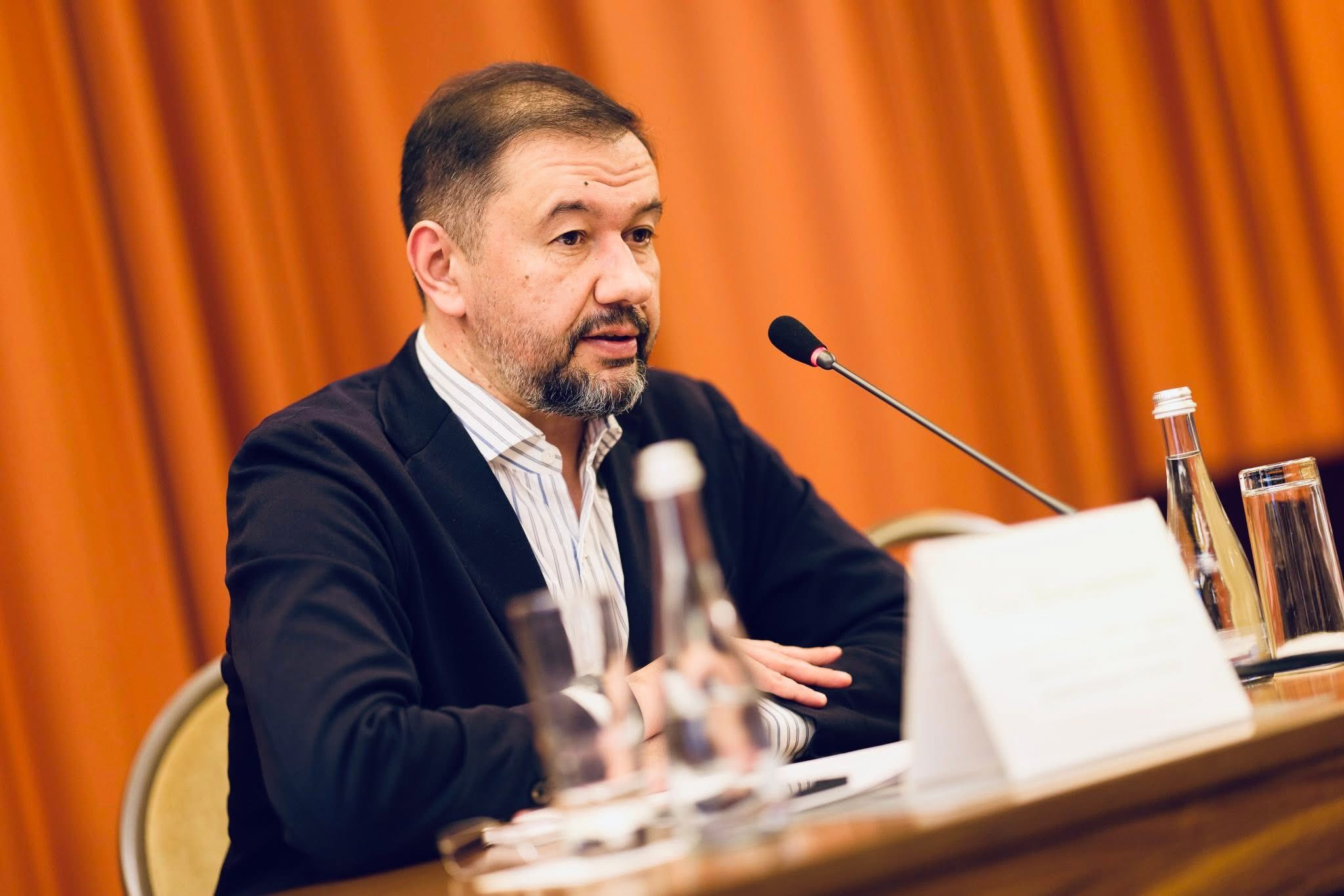
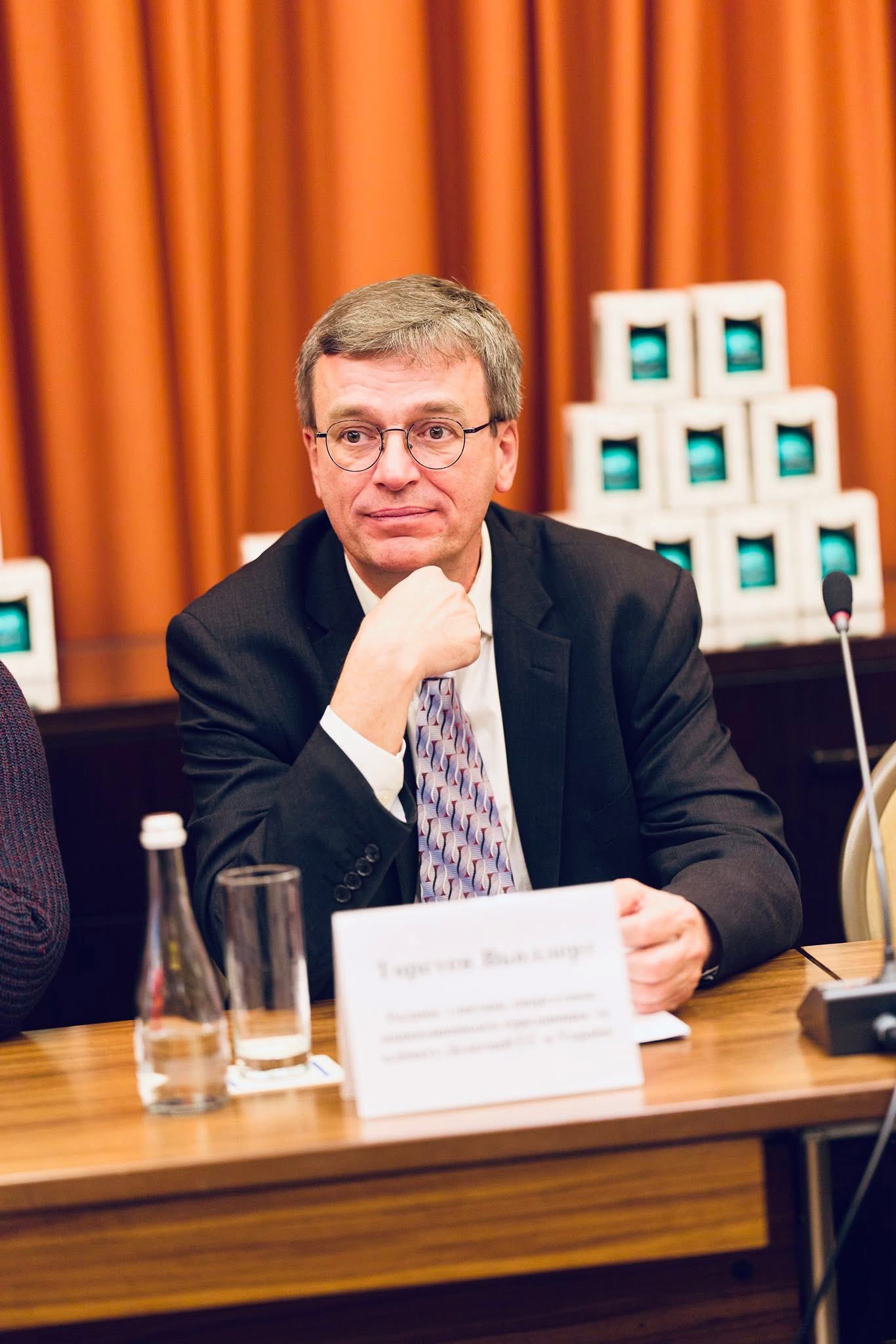
This was announced by members of the Management Board of JSC “Decarbonization Fund of Ukraine” during the open session of the Supervisory Board meeting, confirming their readiness to scale up activities.
Today, JSC “Decarbonization Fund of Ukraine” is a modern financial institution (100% state-owned) with a clear corporate governance system, risk management, and a full project preparation and support cycle. Its transparent three-tier structure—the General Meeting represented by the State Agency on Energy Efficiency and Energy Saving of Ukraine, the Supervisory Board, and the Management Board—ensures effective oversight, responsible use of resources, and the trust of partners and investors.
The effective launch of the Decarbonization Fund of Ukraine took place on September 20, 2024, with the issuance of the first concessional loan. To date, projects financed through reduced-interest loans for energy efficiency measures have been implemented in 17 regions of Ukraine. The scope of projects is broad, covering both industry (around 94% of all projects) and initiatives in communities and at critical infrastructure facilities.
A major advantage and achievement of the Fund is that the results of implemented measures are clearly measured and documented. As of now, this includes more than 132,000 MWh of potential annual savings of electricity and thermal energy, as well as a reduction of nearly 40,000 tonnes of CO₂ emissions per year. This represents a tangible contribution to fulfilling Ukraine’s nationally determined contribution under its climate commitments.
In addition, a number of important programs are currently being implemented through the State Decarbonization and Energy Efficiency Transformation Fund. These include the installation of solar panels with energy storage systems on buildings of state institutions, as well as energy certification and energy audits of government buildings, in line with the requirements of EU Directive 2023/1791.
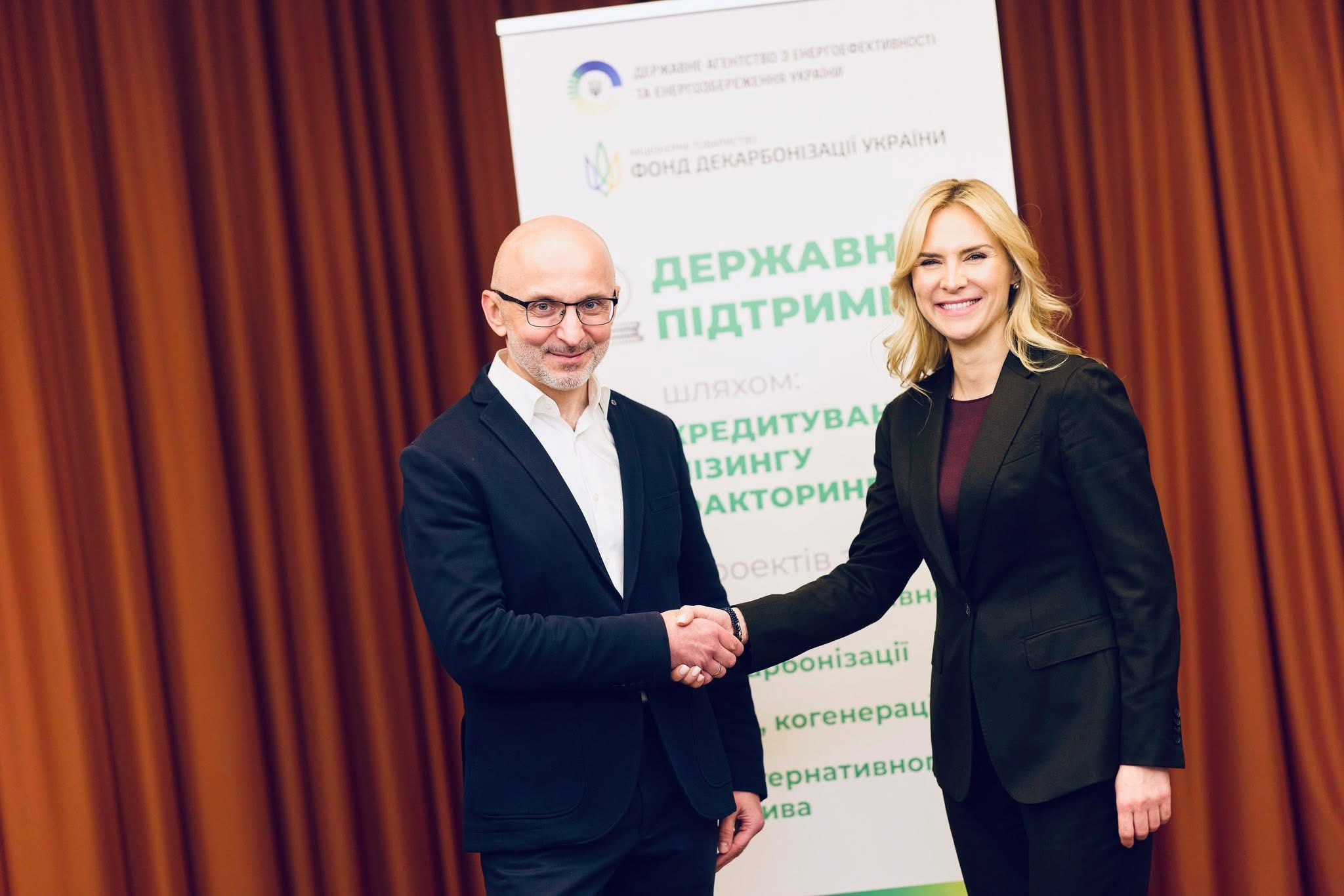
Commenting on the published results of the Fund’s activities, Hanna Zamazeeva, Head of the State Agency on Energy Efficiency and Energy Saving of Ukraine, noted the systematic and transparent nature of the institution’s work.
“The Decarbonization Fund of Ukraine is systematically responsible for providing state financial support for energy efficiency and decarbonization measures. Its activities also contribute to the implementation of the European Directive, which emphasizes the exemplary role of public buildings in achieving energy efficiency. Today, the Decarbonization Fund of Ukraine is the institution that combines the provision of state financial support for energy efficiency measures with full control over the targeted use of funds, oversight of commitments to reduce energy consumption and greenhouse gas emissions, and assurance that every implemented project complies with the National Energy and Climate Plan—specifically in the areas of ‘decarbonization’ and ‘energy efficiency’,” emphasized Hanna Zamazeeva.
During the open part of the Supervisory Board meeting of JSC “Decarbonization Fund of Ukraine,” representatives of private and state-owned companies that are already implementing projects with the Fund’s support also had the opportunity to speak. They emphasized that thanks to the instruments offered, their enterprises were able to quickly obtain state financial support for implementing energy efficiency projects, which not only contribute to achieving climate goals but also help strengthen Ukraine’s energy independence.
Business representatives also separately highlighted the high level of service and client orientation, the transparency of conditions for obtaining state financial support, and the professional approach of the financial institution’s specialists and management.