

Responsible Gas Consumption: Simple Steps for Saving Energy at Home
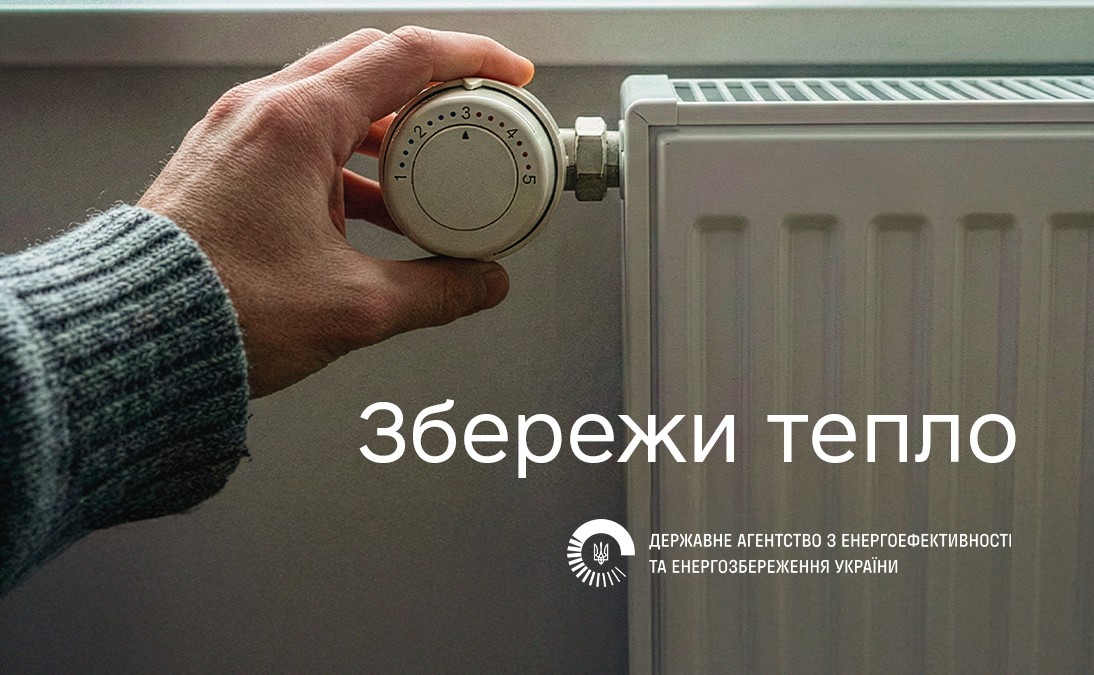
In Ukraine, a social information campaign, “Stay Calm and Save Gas,” has been launched to promote prudent gas consumption amid unprecedented attacks on the country’s gas and energy infrastructure.
Russia is conducting a systematic campaign to destroy gas production, transportation, and heat generation facilities in Ukraine. Since the beginning of the year, over 2,000 missiles and drones have been used against gas infrastructure.
Despite the efforts of air defense forces and protection systems, some attacks still cause damage and losses. Production capacities are being damaged, and their restoration can take many months, or in some cases, years.
The enemy’s goal is clear: to force Ukrainians to freeze.
The state is doing everything possible to ensure uninterrupted gas supply and a stable heating season. At the same time, the scale of challenges facing the country requires the participation of every citizen.
A common misconception is that saving gas and heat during power outages is pointless. In reality, it is critically important.
Energy-efficient solutions work even when electricity is unavailable. Those who have the technical ability to regulate heat and gas consumption in their homes can make a simple but meaningful contribution to the resilience of the energy system.
Every cubic meter of gas saved in the residential sector helps maintain stable temperatures where people’s lives and health directly depend on it—in hospitals, schools, kindergartens, warming centers, and other critical and social infrastructure facilities.
Lowering the temperature in your home by just 1°C can reduce gas consumption by 5–7%. At the national level, this creates a powerful cumulative effect and reduces stress on the energy system during peak hours, especially when electricity is restored after outages.
In addition to conscious consumption, it is important to improve home energy efficiency. This reduces heat loss without sacrificing comfort or increasing long-term costs.
Even simple actions that everyone can take make a difference:
Install thermostatic valves on radiators
Lower the temperature in rooms that are not in use
Use reflective panels behind heating devices
Insulate windows and doors, seal gaps
Check and properly adjust boilers and heating systems
Use hot water efficiently
Saving gas and energy is not a restriction—it is a sign of responsibility and solidarity. When the energy system is operating at the limit of its capabilities, even small efforts make a big impact.
Every cubic meter of gas saved today is extra heat where it is critically needed.