

The European Commission Highlighted Progress in Climate and Environmental Policy
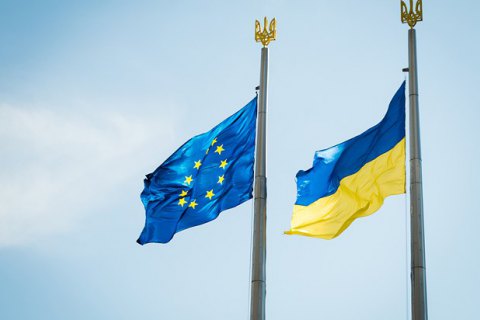
Yesterday, the European Commission presented its Report on Ukraine as part of the 2025 EU Enlargement Package — one of the key documents guiding Ukraine’s next steps on its path toward EU membership.
According to the report, Ukraine has demonstrated the highest level of progress in the past three years. Despite the full-scale war, the country continues to undergo systemic transformation, moving closer to European standards.
Head of the State Agency on Energy Efficiency (SAEE), Hanna Zamazieieva, noted:
“The results are already visible — but there is still much work ahead. The State Agency on Energy Efficiency, together with our partners, continues to shape and implement policies that bring Ukraine closer to European standards of energy efficiency, clean energy, and climate neutrality.”
Key Findings of the European Commission’s Assessment
Renewable Energy
The European Commission noted that Ukraine has begun implementing the National Energy and Climate Plan (NECP) for 2030. Regulatory progress in the biomethane sector enabled the first export of biomethane to the EU in February 2025 — an important step toward integrating Ukraine into the European renewable gas market.
At the same time, alignment with EU sustainability and greenhouse gas emission criteria for biofuels, bioliquids, and biomass remains incomplete. The next steps should include the full implementation of the RED II Directive and addressing key barriers such as debt settlement and simplification of permitting procedures in the renewable energy sector.
Energy Efficiency
Ukraine’s energy efficiency legislation is largely aligned with the EU Directives on energy efficiency and the energy performance of buildings. During the reporting period, important steps were taken to implement the Law on Energy Efficiency and launch its mechanisms.
However, effective implementation requires the adoption of additional secondary legislation, strengthening institutional capacity, and better inter-agency coordination. It is necessary to enhance monitoring systems, ensure high standards of energy efficiency, and integrate the principle of “energy efficiency first” into post-war recovery programs.
In the building sector, Ukraine has made progress toward alignment with the 2018 Energy Performance of Buildings Directive (EPBD), but transposing the updated 2024 Directive will require substantially more work.
Climate Policy
Ukraine has achieved notable progress in climate policy. In October 2024, a framework law on state climate policy was adopted, aligned with the EU’s goal of achieving climate neutrality by 2050.
Work continues on preparing the second Nationally Determined Contribution (NDC) and updating the Low-Carbon Development Strategy to 2050 in accordance with the Paris Agreement. In February 2025, the mandatory system for monitoring, reporting, and verification (MRV) of greenhouse gas emissions was reinstated.
The progress achieved proves that, even under the challenging conditions of war, Ukraine remains committed to energy efficiency, renewable energy development, and the pursuit of climate neutrality.
The State Agency on Energy Efficiency will continue working on implementing European approaches, strengthening energy resilience, and accelerating Ukraine’s integration into the European Green Deal.