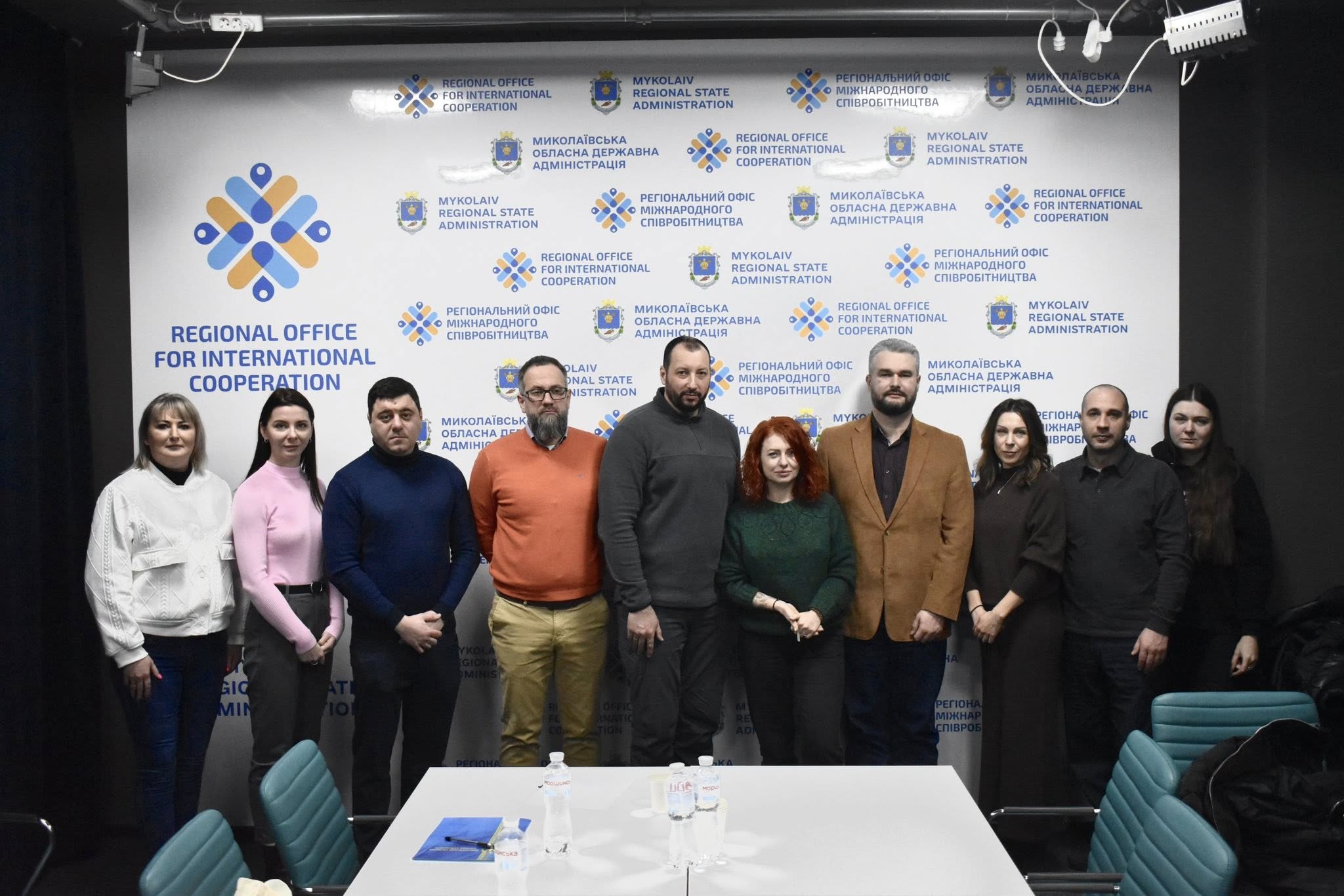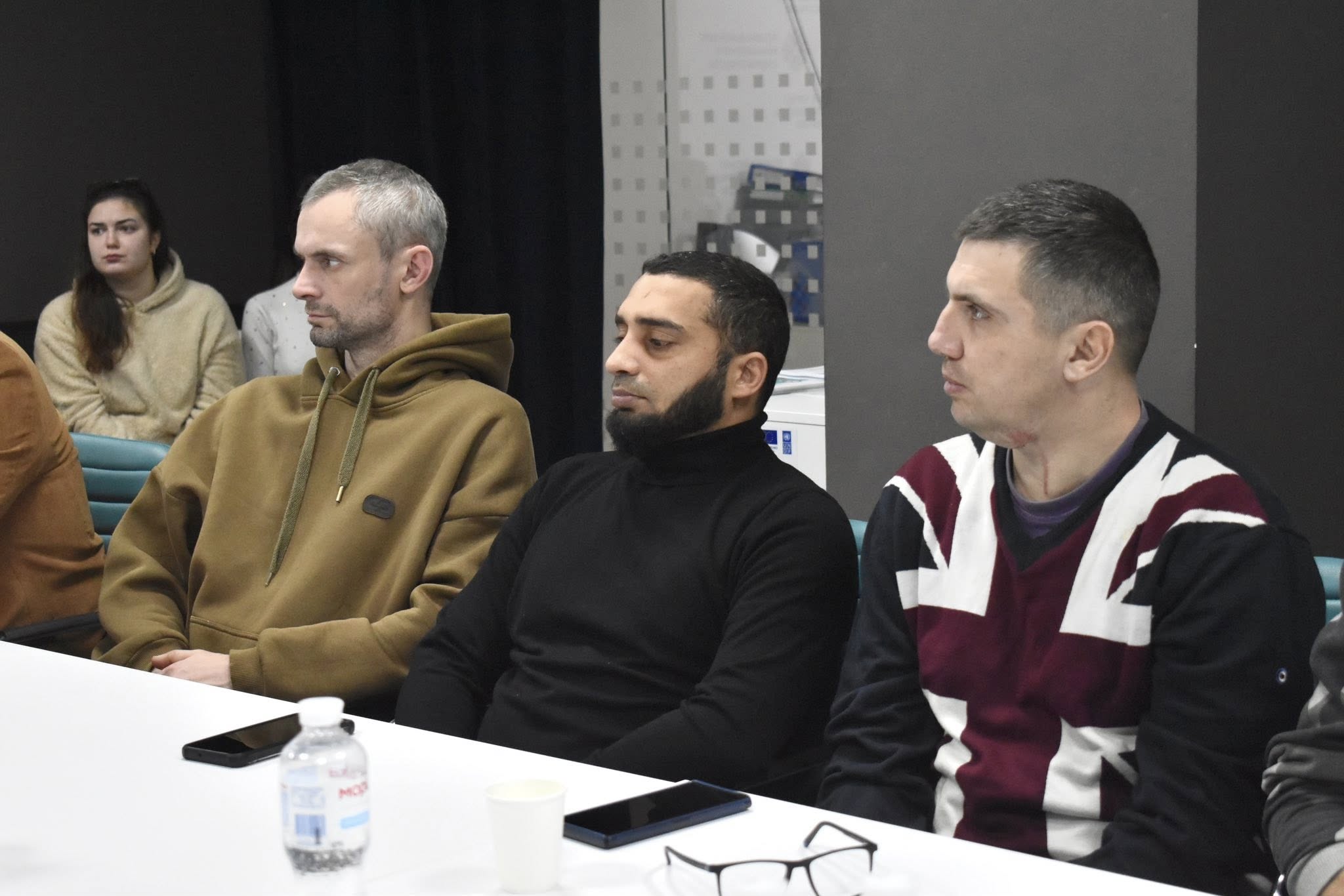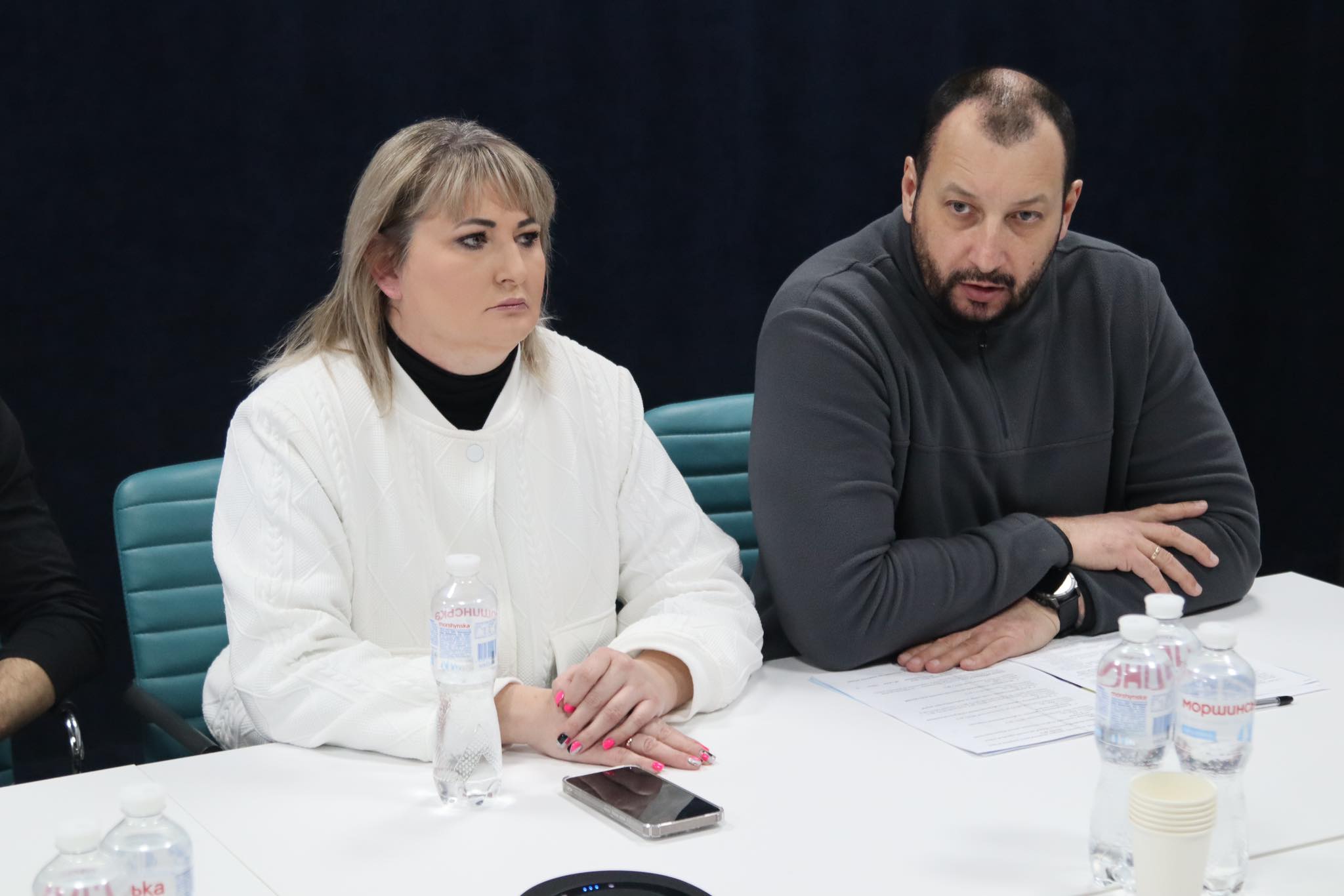
On the initiative of the Mykolaiv Regional Decarbonization and Energy Efficiency Office, a seminar titled “Energy Management as a Profession of the Future: A New Career Path for Veterans” was held in Mykolaiv, dedicated to issues of professional adaptation for military veterans and opening new employment opportunities in civilian life.
The key goal of the event was to inform veterans about opportunities for retraining in the field of energy efficiency, particularly in mastering the professions of energy auditor and energy manager, which are in high demand during post-war reconstruction and the transformation of the country’s energy system.
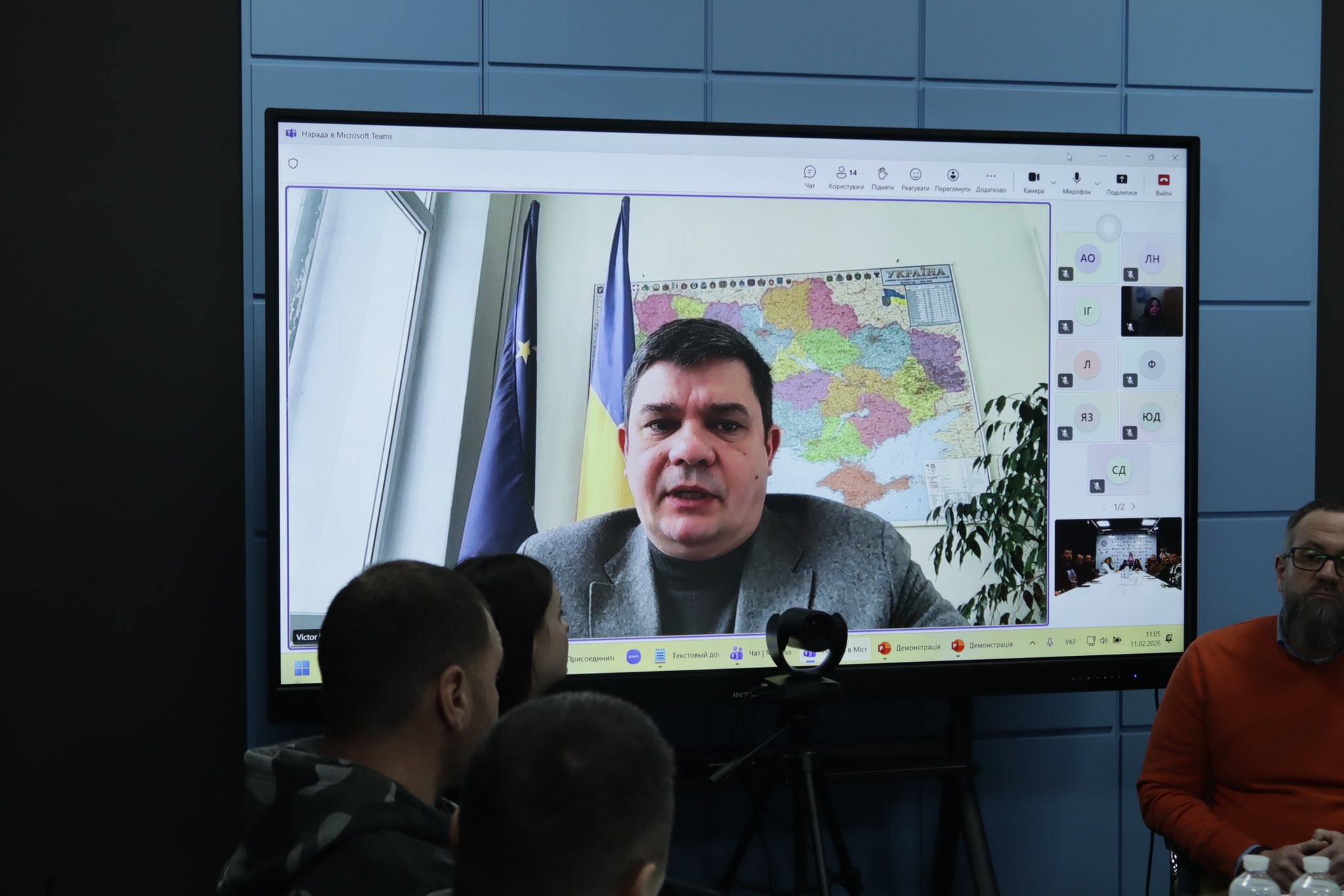
During the opening remarks, Deputy Head of the State Agency on Energy Efficiency, Viktor Bilko, emphasized that helping veterans successfully adapt to civilian life is extremely important for the Agency.
“For us, it is crucial to support veterans in finding new professional fulfillment — work that is interesting, socially valuable, and promising, where their experience, discipline, and responsibility become invaluable,” stressed Viktor Bilko.
He also provided a detailed overview of the professions that form the backbone of energy-efficiency changes in communities today.
Energy Auditor — a specialist who studies how buildings, engineering systems, and equipment consume energy. They analyze usage, identify losses, and determine potential savings, providing well-founded recommendations that help optimize resource use and reduce costs.
Energy Manager — a specialist responsible for systematic management of energy consumption in institutions and organizations. They monitor resource usage, implement energy-saving measures, plan and coordinate optimization of engineering systems, and ensure compliance with energy standards. Their work allows institutions to save budget funds, improve comfort, and strengthen operational resilience.
As speakers emphasized, the impact of this work is felt not only by the professionals themselves but also by the wider community. By reducing energy consumption:
Local budget expenditures decrease;
Service provision conditions improve;
Comfort in educational, medical, and social institutions increases;
Environmental impact is reduced;
Energy systems become more resilient to peak loads and crises.
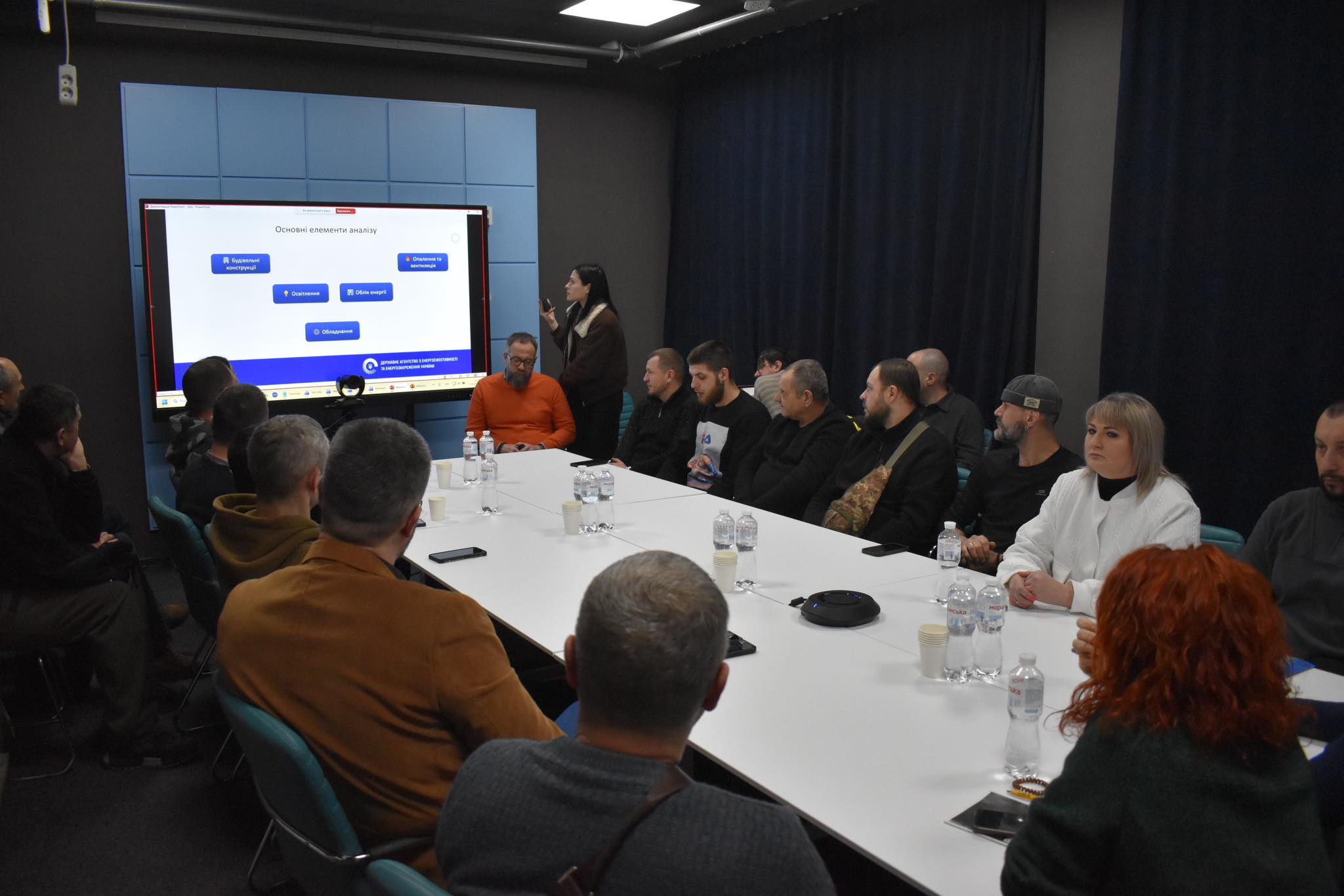
During the seminar, Andrii Shyian, Head of the Energy Efficiency Development Department of the State Agency, and Tetiana Ovcharenko, Chief Specialist of the same department, highlighted the specifics of the work of energy auditors and managers. Topics included energy audits of buildings, analysis of heat and electricity consumption, preparation of recommendations to reduce costs, and the implementation of systematic energy management in public institutions.
Dmytro Honcharov, Head of the Mykolaiv Regional Decarbonization and Energy Efficiency Office, presented the Office’s activities as a contact center for anyone interested in pursuing a new professional path in energy efficiency.
“We organized this seminar to help veterans adapt and find new employment opportunities. The professions of energy auditor and energy manager are modern, in-demand, and important for communities. These specialists help reduce energy consumption, save budget funds, and strengthen the resilience of institutions and enterprises,” noted Dmytro Honcharov.
Participants were also informed about employment service programs offering professional training, skills development, and financial support for starting their own business.
We are grateful to the Mykolaiv Regional State Administration for supporting the event, assisting the veteran community, and consistently promoting energy efficiency development in the region.